


Printed Codes Verify System
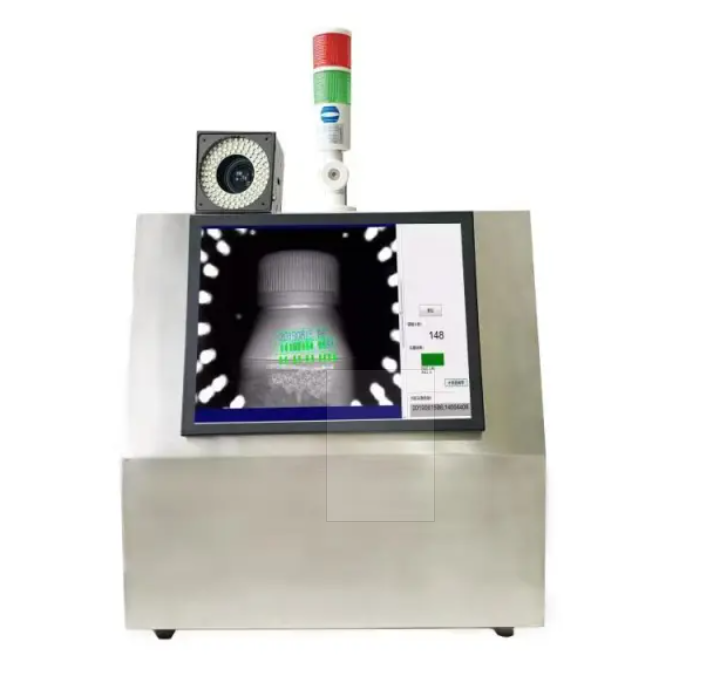
Advantages and Pain Point Solutions of Printing Character and Variable Code Verify Systems
Printing character and variable code detection systems are essential quality control tools for industrial marking, designed to verify the accuracy, clarity and completeness of printed characters, barcodes, QR codes and variable data in real time. These systems integrate advanced machine vision technology, intelligent algorithm recognition and rapid data processing, ensuring compliance with industry standards and enhancing product traceability—critical for sectors like food packaging, pharmaceuticals, logistics and consumer goods, where accurate marking directly impacts safety, compliance and brand reputation.
A core advantage of these detection systems is their high accuracy and real-time performance. Equipped with high-resolution cameras and advanced image recognition algorithms, they can detect even minor defects—such as missing characters, blurry codes, incorrect data, smudging or incomplete printing—within milliseconds as products move along the production line. This real-time monitoring eliminates the need for manual inspection, ensuring 100% inspection coverage and reducing the risk of defective products entering the market.
Flexibility and adaptability are also key strengths. The systems support a wide range of print formats, character sizes and variable data types, easily adapting to different production lines, product sizes and marking requirements. They can be seamlessly integrated with existing inkjet printers, laser markers or labeling machines, requiring minimal setup time and no disruption to production workflows. User-friendly interfaces allow operators to customize detection parameters, set tolerance levels and generate detailed inspection reports, simplifying operation and reducing training costs.
These systems effectively solve major pain points in traditional manual inspection. Manual checking is time-consuming, labor-intensive and prone to human error, especially in high-speed production lines, leading to missed defects and non-compliant products. The detection systems automate the process, cutting labor costs and improving inspection efficiency by 80% or more. They also eliminate the risk of non-compliance fines and brand damage caused by incorrect or missing marking, while enabling full traceability by verifying that each product’s variable code is unique and accurate. Additionally, they reduce waste by identifying defective products early, minimizing material and production losses associated with rework or product recalls.
Image decoding technology
On-line reading of one-dimensional and two-dimensional bar codes
High-speed production mode
Read 360 degrees in any direction
Read specific areas of multiple bar codes with different codes.
Multi-channel (variable code printing) acquisition of multiple cameras
Not affected by object jitter
Product Description
Bar code is a symbol that combines lines and spaces according to certain coding rules to represent certain letters, numbers and other materials. When identifying, it is scanned by a bar code reader (that is, barcode scanner is also called a bar code scanner or a bar code reader) to obtain a set of reflected light signals, which are converted into a set of electronic signals corresponding to lines and spaces after photoelectric conversion, and then decoded and reduced to corresponding alphanumeric characters, and then transmitted to the computer.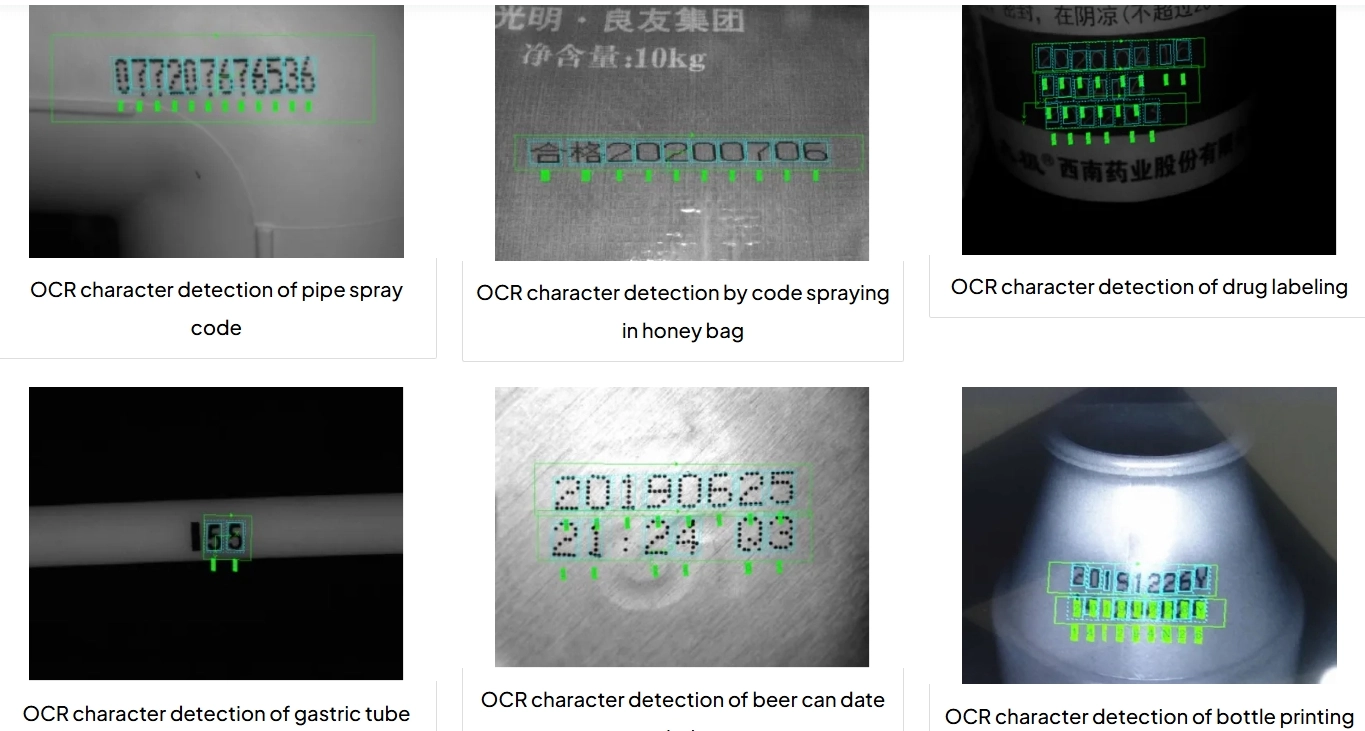
Specifications
| Content | Bar code reading system |
| model | TST-200 |
| Main frequency of controller | 2.0G, RAM4G |
| Camera resolution | 300,000CCD |
| Camera resolution | LEDWhite can be red. |
| input signal | photosensor |
| output signal | Rejection signal alarm light signal stop signal |
| Detection speed | Max 20/s |
| Detect visual detachment | 50-120mm |
| With or without communication? | Yes |
| Power Supply | AC220V 50Hz 200W |
| Closed environment | IP62 |
| Working temperature | 00C-500C |
| Relative humidity (no condensation) | 10-90% |
