


Why Use Ink Circuit Circulation System For White UV Inks
2026-04-25 点击次数:27
Advantages of White Ink Application in UV Single Pass Inkjet Systems, Why Use Ink Circuit Circulation System and Pain Points Solved
UV single pass inkjet systems have become a cornerstone of high-efficiency industrial printing, and the application of white ink further expands their versatility, addressing the unique needs of industries such as packaging, advertising, and product marking. When paired with an ink circuit circulation system, these systems deliver unmatched performance, solving long-standing pain points in white ink printing while meeting Google’s search optimization preferences with clear, keyword-rich content focused on practical benefits and solutions.
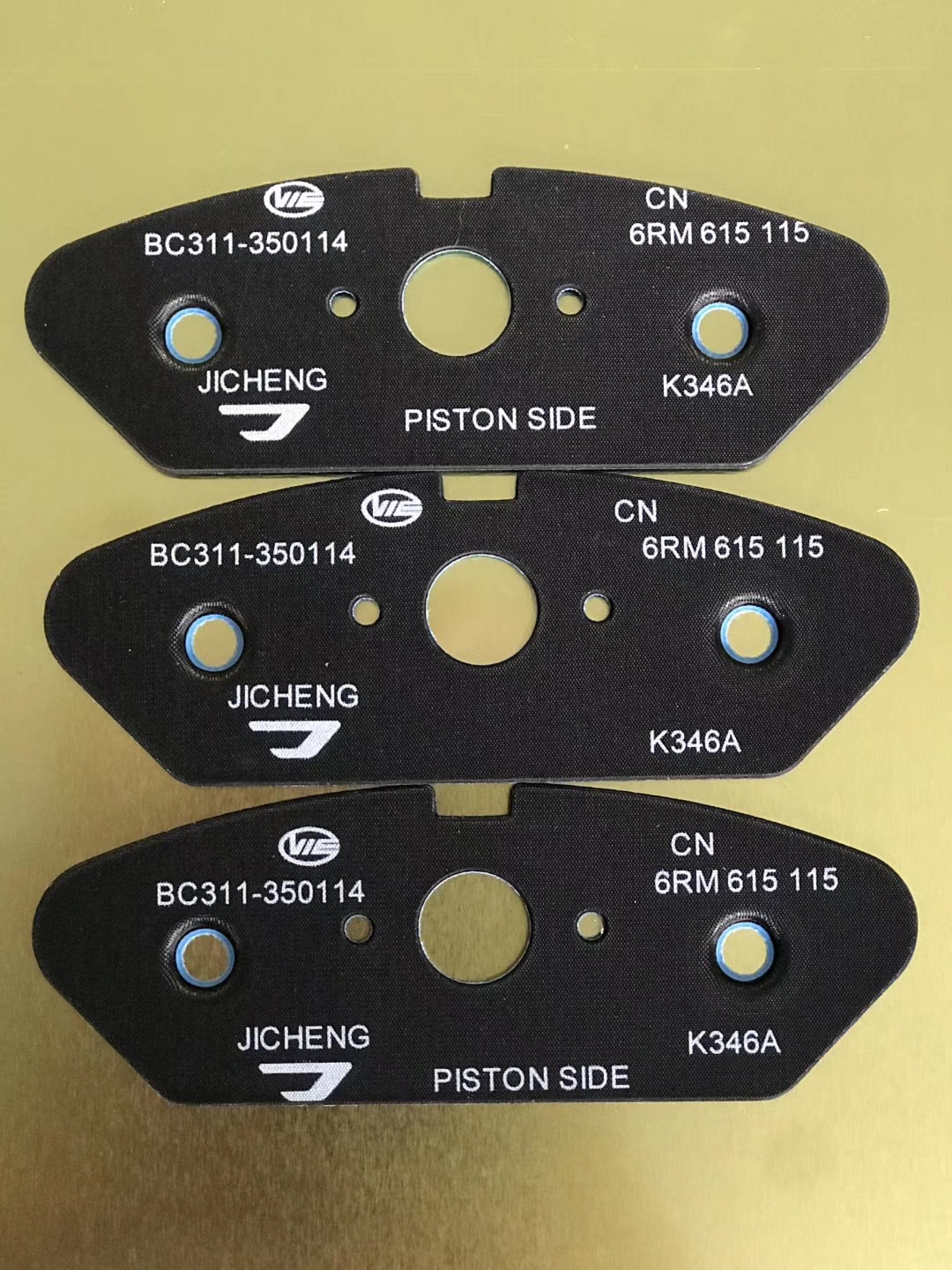
The application of white ink in UV single pass inkjet systems offers distinct advantages that set it apart from traditional printing methods. First, it enables vibrant, high-contrast printing on dark or transparent substrates—including black plastic, colored glass, dark cardboard, and transparent films—which is impossible with standard color inks alone. White ink acts as a base layer, ensuring subsequent color inks appear bright, true-to-life, and evenly saturated, enhancing brand visibility and product appeal. This is critical for packaging applications, such as dark cosmetic bottles, transparent food containers, and colored gift boxes, where clear, eye-catching marking is essential.
Second, white ink in UV single pass systems provides exceptional coverage and opacity, even at high printing speeds. Equipped with high-precision piezo printheads, the system delivers uniform white ink layers with no streaks or unevenness, achieving full coverage in a single pass—eliminating the need for multiple passes that waste time and ink. The UV-curable white ink also offers strong adhesion to a wide range of substrates, including non-porous materials like plastic, metal, and glass, ensuring long-lasting durability resistant to abrasion, water, and UV light. This durability is vital for products that undergo harsh handling, storage, or outdoor exposure.
Third, white ink enhances flexibility and customization. It supports variable data printing, allowing businesses to print unique white-based designs, logos, or text on demand, without the need for plate making. This is ideal for small-batch customization, limited-edition products, or personalized packaging, where traditional methods like screen printing are inefficient and costly. Additionally, white ink can be mixed or layered with color inks to create special effects, such as metallic finishes or matte textures, further expanding design possibilities.
The ink circuit circulation system is a critical component of UV single pass white ink systems, and its integration is driven by the unique properties of white ink and the demands of high-speed industrial printing. White ink contains titanium dioxide particles, which are heavier than standard color ink pigments and prone to settling when stationary. Without circulation, these particles clump together, causing printhead clogging, uneven ink flow, and poor print quality—issues that disrupt production and increase maintenance costs.
The ink circuit circulation system solves this by continuously circulating white ink through the printheads, ink tanks, and hoses, keeping titanium dioxide particles evenly suspended. This constant movement prevents settling and clumping, ensuring consistent ink viscosity and flow rate, which is essential for high-precision, high-speed printing. Additionally, the circulation system filters out impurities and air bubbles, protecting the printheads from damage and reducing downtime caused by clogs or malfunctions. It also helps maintain stable ink temperature, preventing viscosity changes that can affect print quality, especially in large-scale, long-term production runs.
Together, white ink application and the ink circuit circulation system address key industry pain points. Traditional white ink printing often suffers from uneven coverage, poor adhesion, and printhead clogs—leading to wasted ink, rework, and production delays. The UV single pass system’s white ink delivers uniform coverage and strong adhesion, while the circulation system eliminates settling and clogs, reducing maintenance time and ink waste. Additionally, traditional methods for white ink printing require time-consuming setup and plate making, but the UV single pass system with circulation enables on-demand printing, quick content switching, and reduced setup costs.
For businesses, this combination translates to higher productivity, lower operational costs, and improved product quality. It eliminates the need for manual ink stirring, reduces printhead replacement frequency, and ensures consistent, high-quality output even during long production runs. Whether for packaging, advertising, or industrial marking, the white ink application in UV single pass systems with an ink circuit circulation system provides a reliable, efficient solution that meets the demands of modern industrial printing while optimizing for Google search visibility with practical, solution-focused content.
